Be Heard and Understand

See how we help children with the most comprehensive set of speech therapy services in the area.


Social Pragmatic Skills

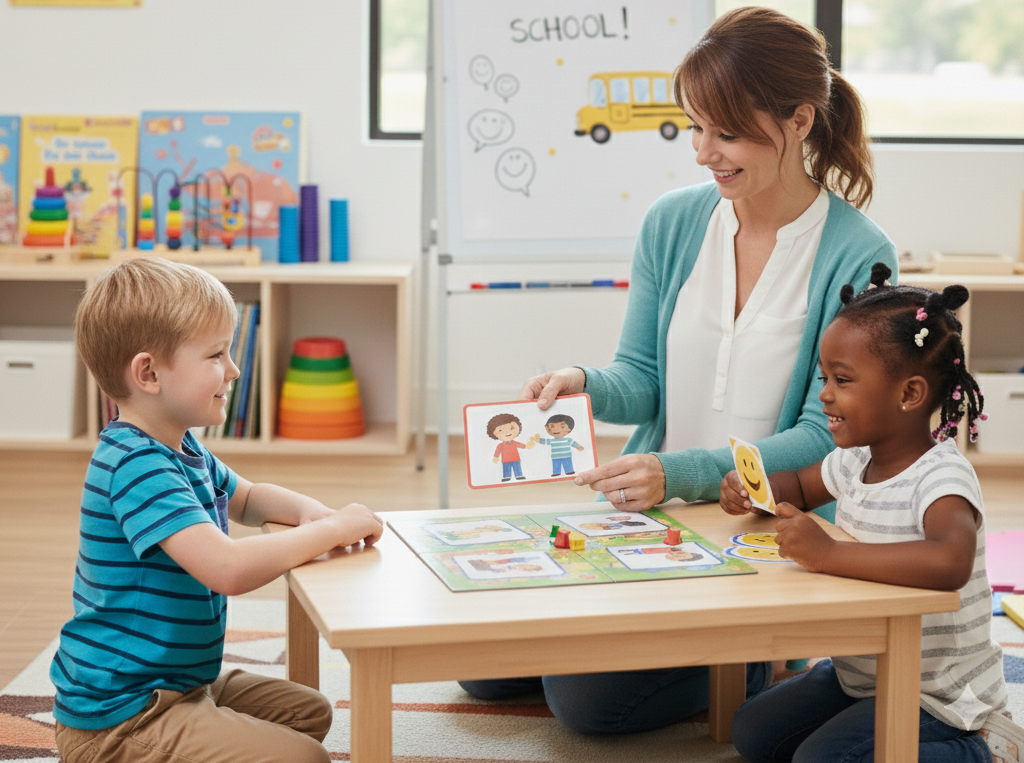
Social-Pragmatic Skills

Social pragmatic skills are the everyday language and behavior people use to connect with others. They include knowing how to start and keep a conversation, take turns, read facial expressions and tone of voice, change how you talk depending on the person or setting, and understand the unspoken rules of play and friendship.
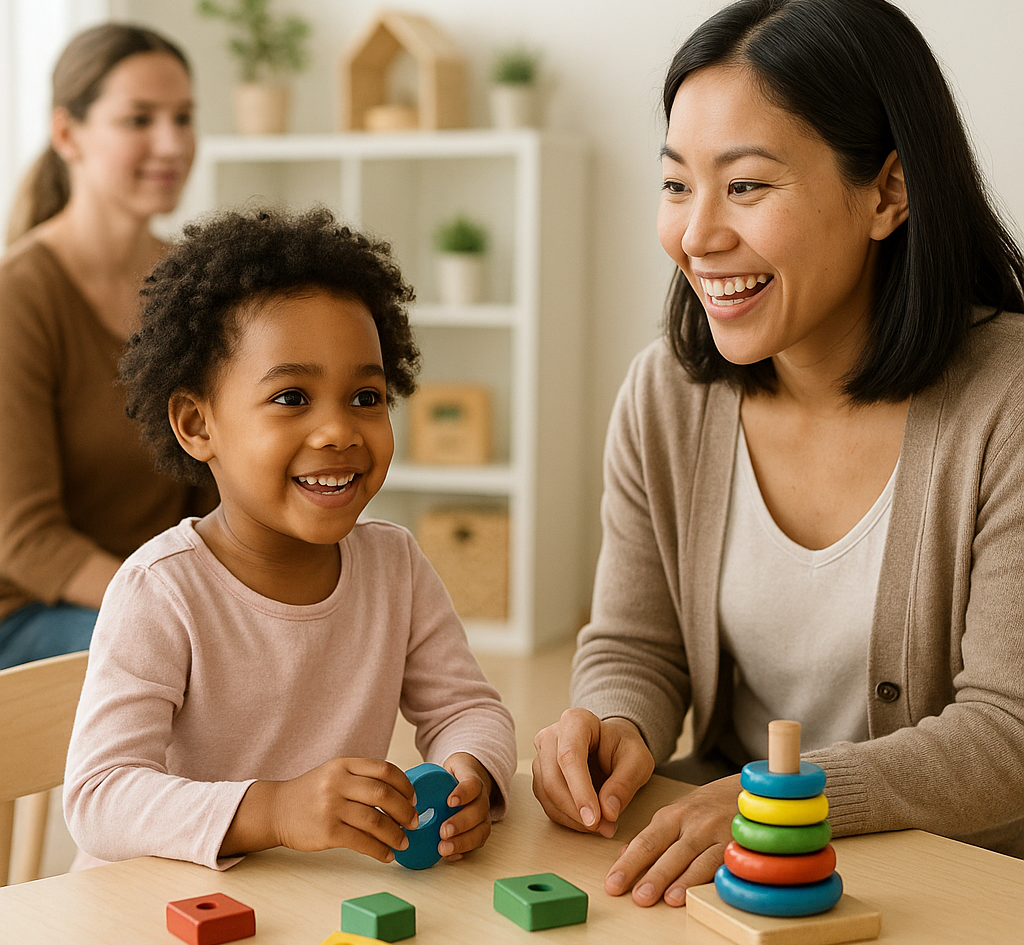


Language Disorders

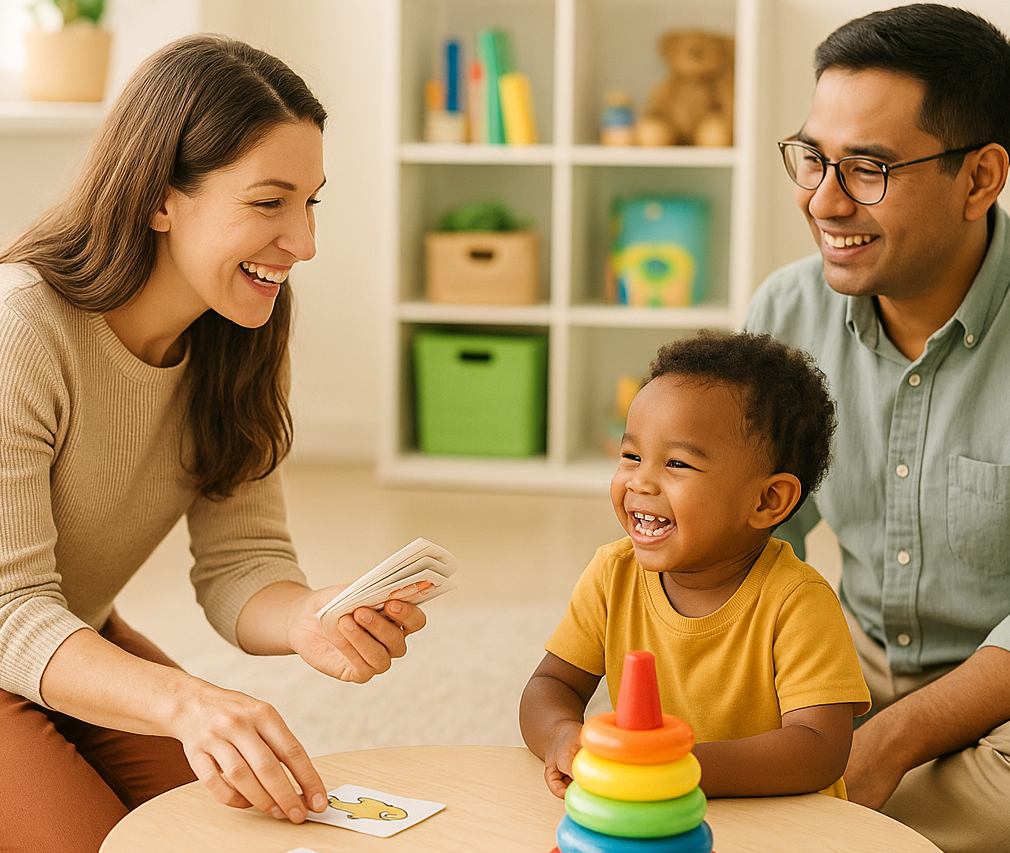
Language Disorders

Receptive language is how a child understands words, sentences, and directions. Expressive language is how a child uses words, sentences, gestures, or other ways to tell others what they think or need.


Stuttering Fluency

Fluency/Stuttering Therapy

Does your child stutter? We can help.


Augmentative and Alternative Communication

Augmentative and Alternative Communication

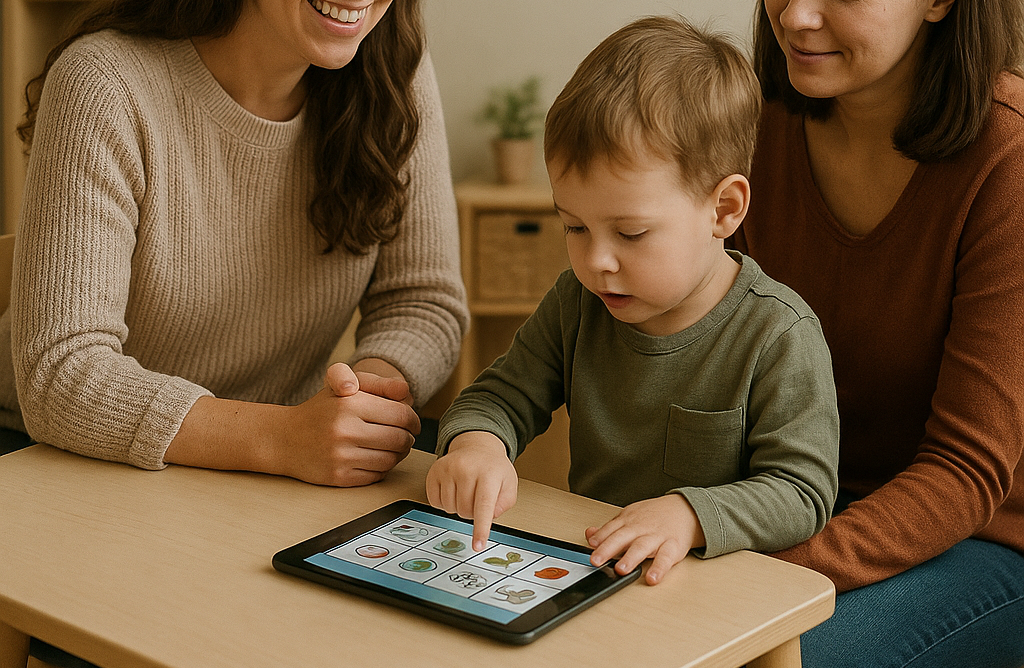
Augmentative and Alternative Communication, or AAC, is any way a person communicates other than or in addition to talking.


Phonological Processing

Phonological Processing

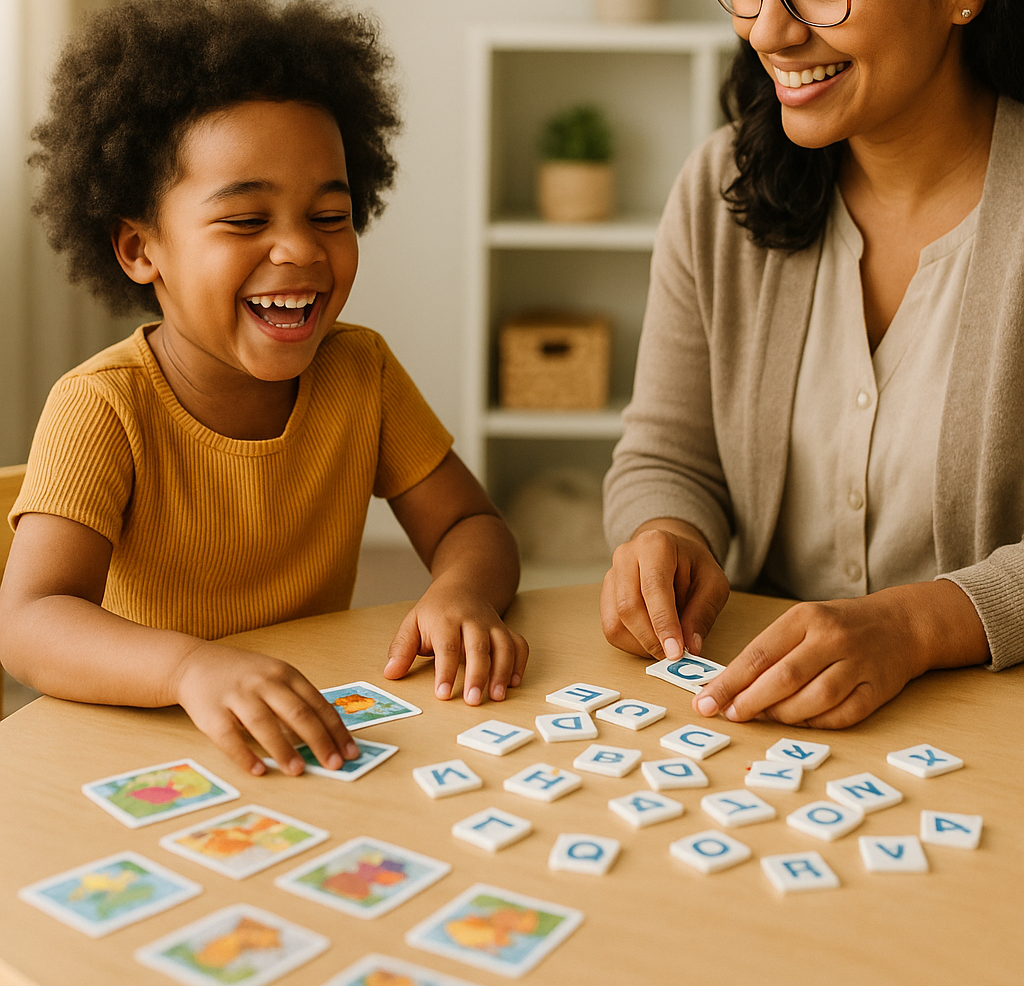
Phonological processing describes the ways a child hears, remembers, and works with the sounds in speech.


Articulation Disorders

Articulation Disorders

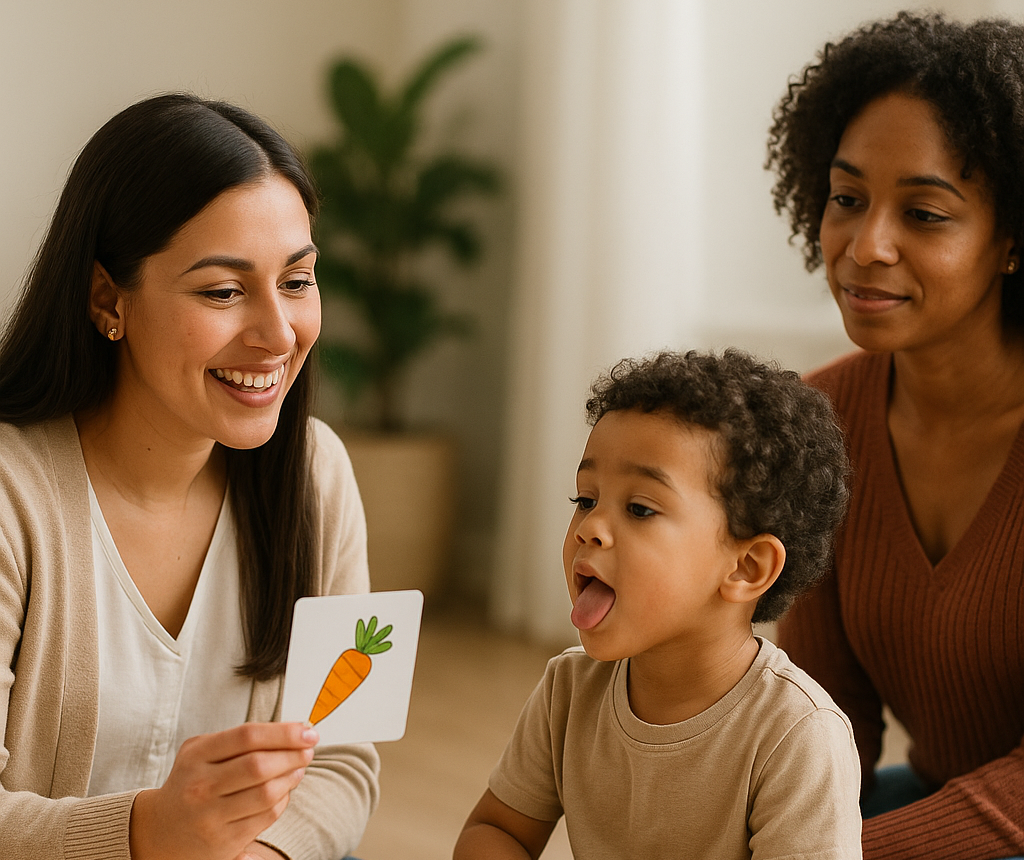
Articulation is the way a child moves their mouth, lips, tongue, and jaw to make speech sounds. When a child struggles with articulation, some sounds may be left off, changed, or unclear.


Talking Milestones

Talking Milestones

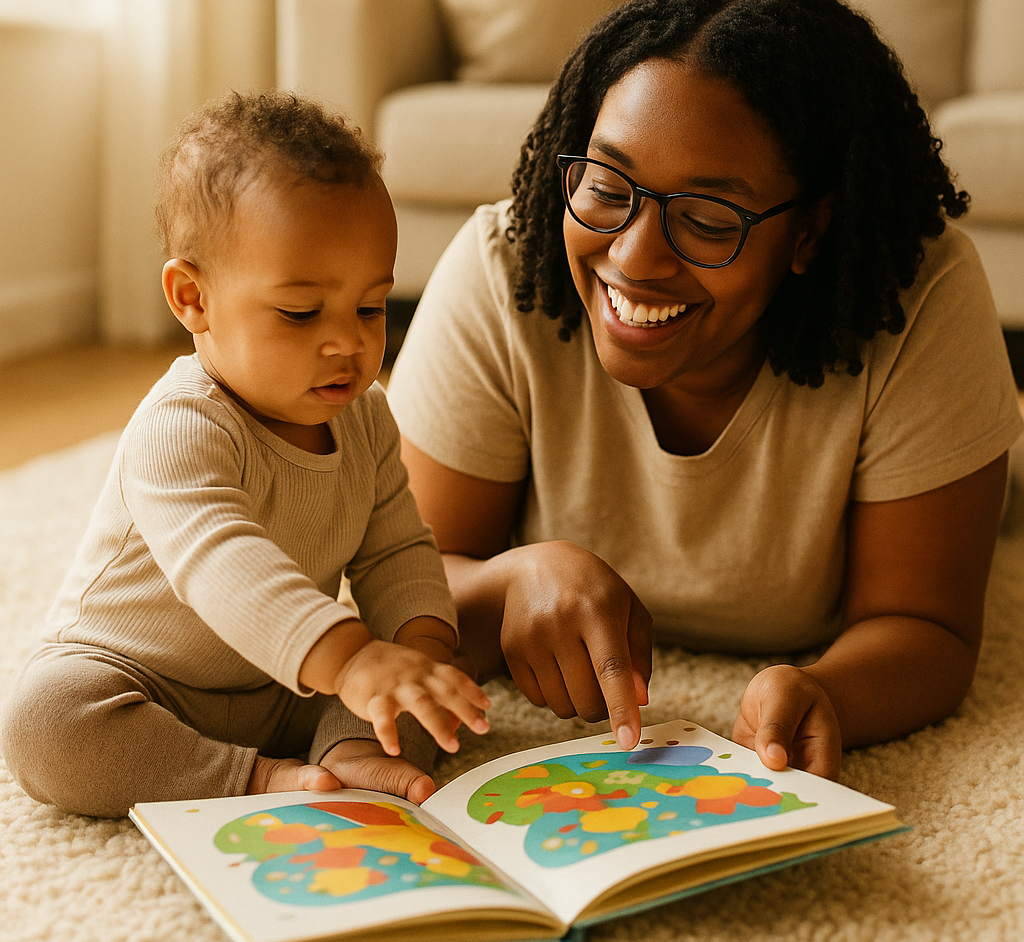
Talking milestones are the common steps children take as they learn to communicate. These steps include making sounds, using first words, combining words into short phrases, and carrying on simple back-and-forth conversations.


Childhood Apraxia of Speech

Childhood Apraxia of Speech

Some children have difficulty planning and coordinating the precise movements of the lips, tongue, and jaw that make speech sound clear.