Get back to the 'job' of being a kid.

See how we help infants through teens with the most comprehensive set of occupational therapy services in the area



Emotional Regulation

Emotional Regulation

Emotional regulation is the ability to notice what you are feeling, understand why you feel that way, and use skills to respond in a way that fits the situation.


Potty Training

Potty Training

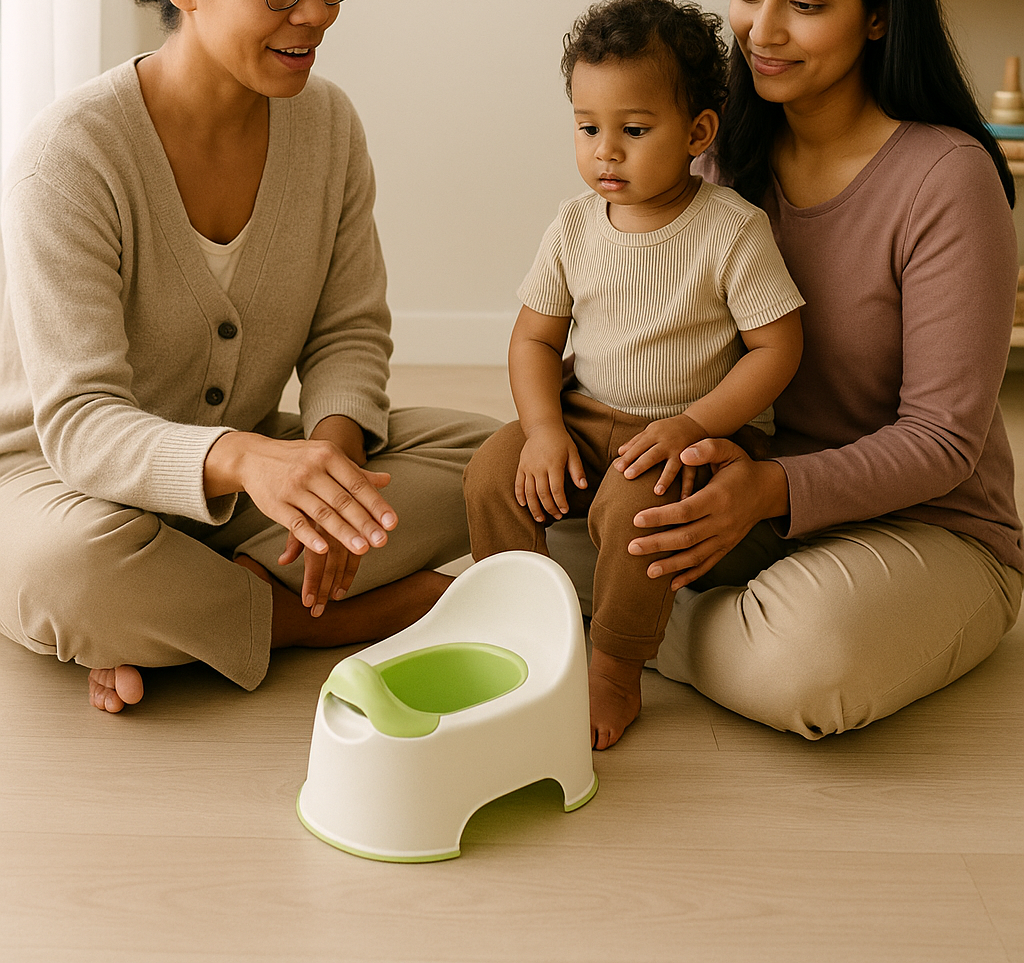
Potty training is the process of helping a child learn to use the toilet for urine and bowel movements instead of diapers.


Handwriting

Handwriting

Handwriting is more than making letters on a page. It’s a set of physical and perceptual skills — fine motor control, finger strength and coordination, visual-motor integration (seeing and connecting what the eyes see with the hand), and the habit of sitting, organizing a page, and working at a steady pace.




Dressing

Dressing

Dressing means more than just pulling on clothes. It includes choosing clothes that fit the weather and activity, putting on and taking off shirts, pants, socks and shoes, and managing fasteners like buttons, snaps, zippers and laces.


Sensory Integration Processing

Sensory Integration Processing

Sensory integration processing describes how a child’s brain receives, organizes, and responds to information from the senses — including touch, movement, body awareness, sight, sound, taste and smell.


Fine Motor Skills

Fine Motor Skills

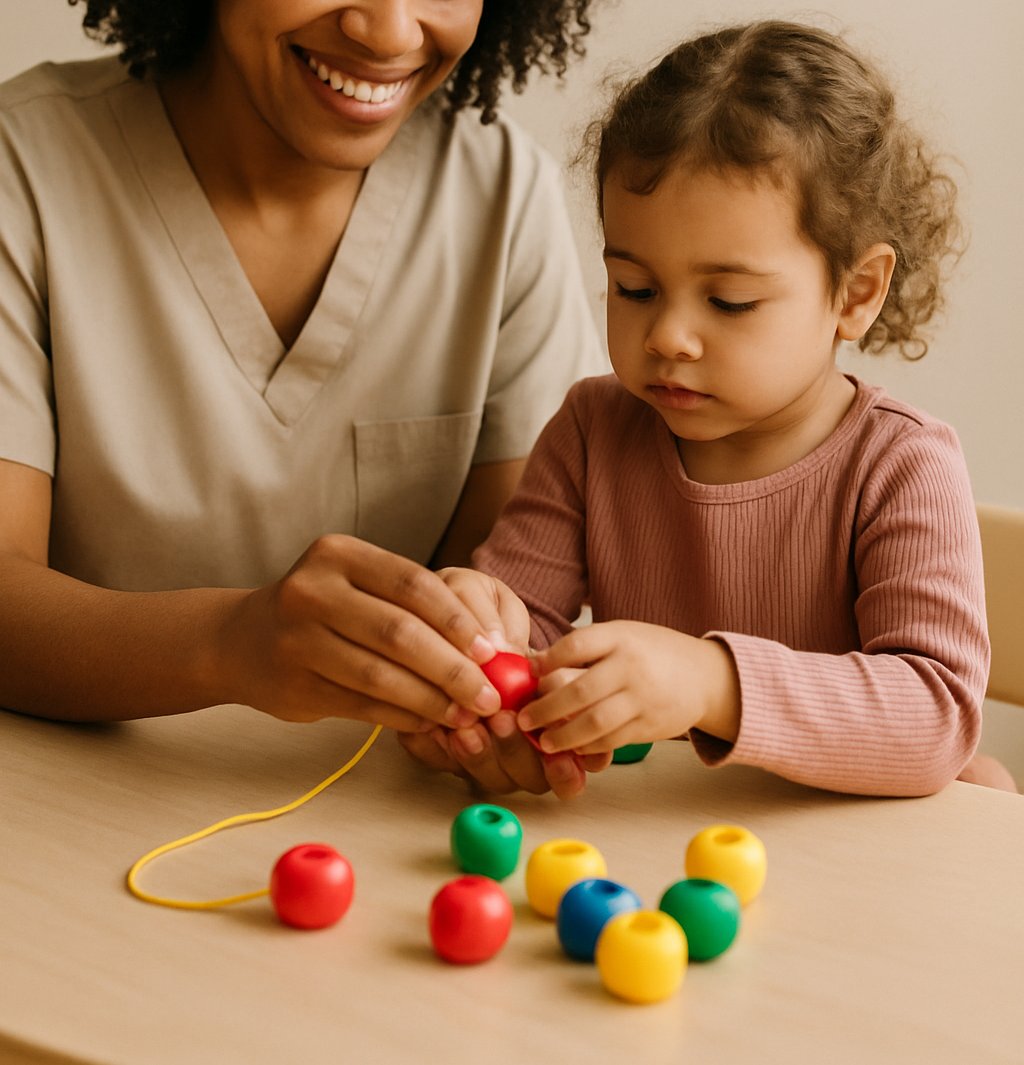
Fine motor skills are the small movements made by the hands and fingers. They include grasping toys, using a spoon, buttoning a coat, cutting with scissors, holding a pencil, typing, and manipulating small objects.


Sleep Difficulty

Sleep Difficult Regulation

Sleep is more than just rest — it's a building block for learning, behavior, mood, and physical growth.


Daily Living Skills

Daily Skills

Daily skills are the everyday tasks that let a child participate in family life, school, and community.


Problem Solving

Problem Solving

Problem solving is the set of thinking and doing skills kids use to notice a challenge, think of possible ways to handle it, try a solution, and adjust if it doesn’t work.